Healing in a Technological Age: Spirituality, Religion, and the Practice of Medicine
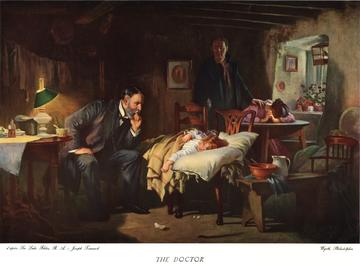
Image credit: The Doctor by Sir Luke Fildes, Tate Gallery London
Tuesday 28 April 2026, 5.30pm - 7pm
Seminar Room 63, Schwarzman Centre for the Humanities
Register via Eventbrite.
Convenors: Ariel Dempsey, Postdoctoral Research Fellow, Faculty of Theology & Religion; Andrew Moeller, Project Leader, Biotechnology and the Humanities
Please contact Andrew Moeller with any questions: andrew.moeller@history.ox.ac.uk.
Amid the rapid expansion of medical technology, what place do religion and spirituality hold in contemporary medicine? How are spirituality, physical health, and mental health interconnected, and how do these relationships shape experiences of illness and healing?
As medicine becomes increasingly driven by technology, data, and efficiency, questions of meaning, belief, and human experience remain central to care. Religion and spirituality continue to influence how patients and clinicians understand illness, make medical decisions, cope with suffering, and pursue well-being. This panel brings together clinicians, scholars, and practitioners to explore the roles of religion and spirituality in contemporary medicine, with particular attention to physical health, mental health, and patient-centered care. Panelists will examine how spirituality intersects with clinical practice, ethical decision-making, and holistic approaches to healing, as well as the challenges and opportunities of integrating spirituality into modern healthcare settings.
Our panel of speakers will explore questions such as:
- What role can spirituality play in physical and mental health, and how should clinicians engage with it responsibly in patient care?
- In the face of widespread clinician burnout, how might spirituality support resilience, meaning, and professional well-being?
- As medicine becomes increasingly technological, how can healthcare systems integrate spiritual care while respecting diversity, ethics, and professional boundaries?
- What insights does spirituality offer medicine about healing, suffering, and meaning—and how can medical practice, in turn, inform spiritual understanding?
- How can dialogue between medicine, philosophy, theology, and the arts deepen our understanding of the spiritual dimensions of human experience and reshape approaches to care?
- As societies invest billions in biotechnologies aimed at enhancing and extending human life, we are also facing a growing crisis of mental health and rising rates of despair. What do spiritual traditions offer that might help us rethink what we mean by “progress” and human flourishing?
These questions matter not only to healthcare professionals, but to all of us because serious illness touches every life, whether our own or those of people we love. Whether you are a clinician, patient, scholar, student, religious, spiritual, secular, skeptic, or simply someone interested in exploring questions of meaning and purpose, join us for a timely conversation at the intersection of medicine, spirituality, and human well-being.
Speakers:
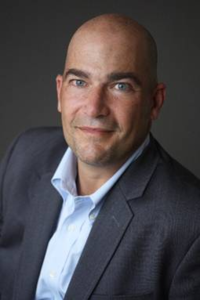
Dr Elisha Waldman, MD, was raised in Connecticut. After earning a BA in Religious Studies at Yale University he received his MD in Tel Aviv followed by training in pediatrics at Mount Sinai Medical Center and Pediatric Hematology-Oncology at Memorial Sloan Kettering Cancer Center in New York. After several years practicing pediatric oncology at Hadassah Hospital in Jerusalem (which led to his nonfiction book, This Narrow Space, about his experiences working in the Middle East and what it meant to work as a liberal Jew in a culturally and politically complex environment with patients of many different faiths), Dr. Waldman returned to the U.S. to train in Pediatric Hospice and Palliative Medicine at Children’s Hospital Boston. He has since worked in pediatric palliative care in Jerusalem, at Columbia University Medical Center in New York, and at Lurie Children’s Hospital of Chicago. He is currently a consultant in palliative care at Great Ormond Street Hospital in London. His major interests include spirituality and suffering in the context of pediatric palliative care, as well as the potential role of psychedelic therapies in addressing suffering. Dr. Waldman is active in the American Academy of Hospice and Palliative Medicine, where he has served in a number of leadership capacities, including a term on the Board as Director at Large. He has published widely in the medical literature as well as in national media outlets, and he is the associate editor for pediatric content at the Journal of Pain and Symptom Management. His writing has appeared in the New York Times, the Washington Post, Time, the Hill, and elsewhere.

Dr Saad Ismail, MD, is a General Practitioner and researcher, with current interests in analytic metaphysics and epistemology. He holds an MPhil in Philosophical Theology from the University of Oxford, a BA (Hons) in Islamic Studies from Cambridge Muslim College, and an MBChB from the University of Birmingham. He is a co-founder of the Centre for Islam and Medicine (CIM), a UK-registered charity dedicated to advancing Islamic bioethics through research, education, and policy, where he served as a trustee for over a decade. Dr Ismail is also a founding member of Turning SouthEast, through which he continues to support initiatives that cultivate Islamic scholarship—from grassroots learning to postgraduate research.

Cara Heafey works as a team chaplain for Oxford University Hospitals NHS Foundation Trust, and has been employed in this role since 2020. Within the team she has a particular interest in and responsibility for cancer care, palliative care, and staff wellbeing. Cara is an ordained Minister in the United Reformed Church. Prior to becoming a healthcare chaplain she worked as a Registered Nurse.
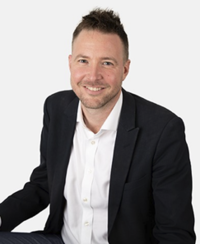
Dr Daniel Maughan (MD, MRCPsych, MBBCh, BSc) is a Consultant Psychiatrist, clinical lead for the Early Intervention in Psychosis Service in Oxfordshire and a researcher at Oxford University Department of Psychiatry. He was awarded the Royal College of Psychiatrists Presidents Medal in 2021 for services to psychiatry. He has research interests in sustainable quality improvement, early psychosis and the intersection between faith perspectives and mental health. He teaches the Psychology and Theology module on the Theology MA in Oxford and leads the Pastoral Care teaching at Wycliffe Hall.

Dr Daan Van Schalkwijk is a religious theoretical biologist admiring life, especially human life. He teaches interdisciplinary courses about health at Amsterdam University College. His PhD in biology was on cholesterol and mathematics. He is working on a second PhD in philosophy. He has a passion for a healthy human heart, biologically, socially, and spiritually. He would like to help people get to know their own inner lives and find their way to personal health and growth.