Global Herstoriography Matters: an African feminist decolonial perspective through the lens of medicinal Cape plants. ‘Seeing what is not there’
Tuesday 2 June 2026, 3pm
Room 10.019
All welcome
Speaker: Professor June Bam (Centre for Education Rights and Transformation, University of Johannesburg, South Africa, AfOx Fellow 2025/6)
As Khoekhoegowab word in southern Africa and the Cape, Ausi means ‘older sister’; culturally known as the ‘respected’ one ‘with the knowledge’ in communities. Ausi holds invaluable intergenerational and deep-time knowledge of landscape, soil, plant anatomy, and of related cultural ecologies and ‘artefacts’. Ausi knowledge resiliently survived colonial displacement from land, and western extractive collection practices. The matrifocal medicinal plant knowledge of the Ausi troubles the predominant ‘extinction’ and ‘disconnected people and culture’ discourse in predominant male-centered and even liberal ‘women-centered’ African histories. What new insights about the southern African past and contemporary challenges with the climate change crisis could a ‘deep listening’ to ‘conversation’ with Ausi in the ‘anarchive’ (‘seeing what is not there’) provide us of an interconnected world.
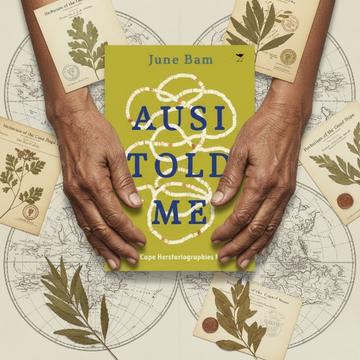
Biography: June Bam PhD is an AfOx 2025 – 2026 Visiting Fellow. A Professor in the Faculty of Education and Director of the Centre for Education Rights and Transformation (CERT) at the University of Johannesburg, she has worked for many years in interdisciplinary research. She is the author of the award-winning monograph Ausi Told Me: Why Cape Herstoriographies Matter, Jacana (2021). June grew up under Apartheid on the Cape Flats in South Africa, has led on several national heritage and history transformation projects in post-Apartheid South Africa. Previously appointed (amongst others) for a number of years as Research Associate at the Institute for the Public Understanding of the Past at University of York, she was also appointed Associate Professor in African Feminist Studies at the University of Cape Town. She has also led on various institutional and curriculum transformation programmes in school and higher education in South Africa. June has lectured at universities globally and has been principal investigator on international research projects within her field.