1918 Allotment Project
Primary Investigator
JC Niala (School of Anthropology and Museum Ethnography)
Partner Organisations:
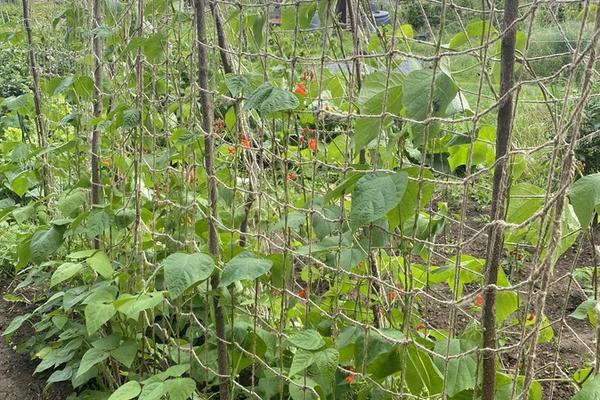
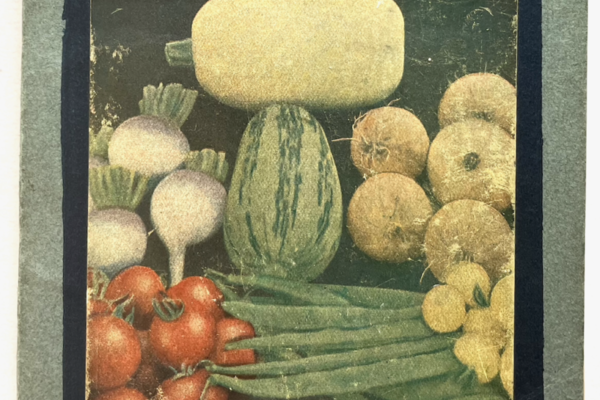
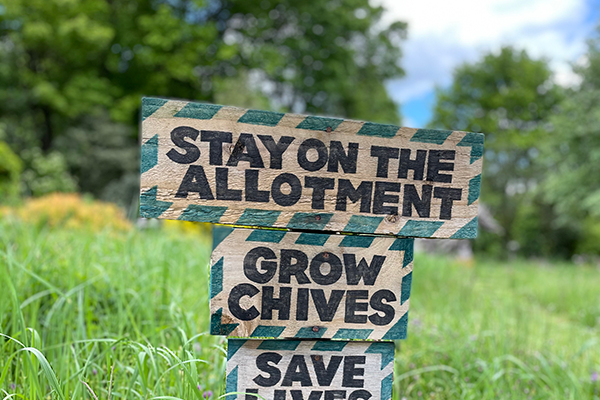
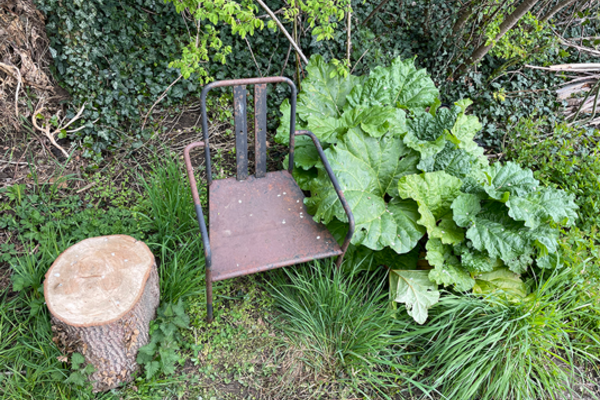
The 1918 Allotment project recreates an allotment plot from 1918 using one of Fig’s plots on the Elder Stubbs Charity Allotment site in East Oxford using open-pollinated, non-hybrid seeds of heritage plant varieties. It is a project that explores the relationships over a century between growing plants, health & community. Allotments have always been more than about growing food. This project brings into public conversation why it is allotments matter by giving community members the opportunity to engage with a 1918 allotment. Through public talks, discussion events and an exhibition – the project aims to encourage people to think about the ways in which nature is an inextricable part of our urban lives.
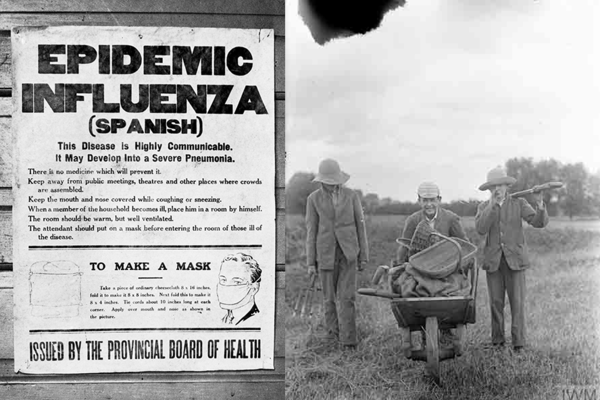
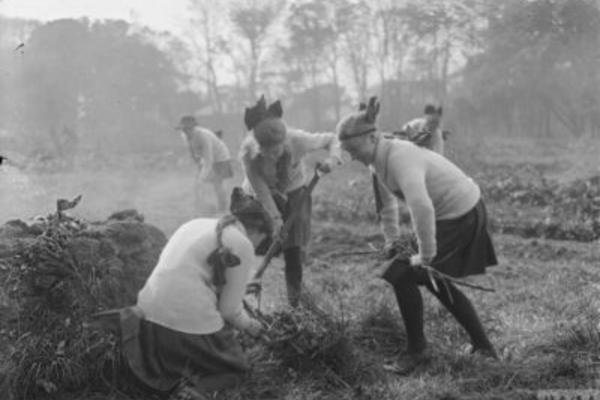
In 1918 the Spanish flu pandemic began and went on to infect 500 million people in four successive waves. 1918 was also the end of WW1, a time of hope and huge growth in allotments as a result of emergency measure to mitigate food shortages. JC Niala's research examines the similarities and differences between the ways in which allotments were used during the 1918-1919 (so-called Spanish Flu) pandemic and the COVID-19 pandemic. In 1918 allotments were actively marketed as a tool for staying healthy. The government had also recently co-opted them for the war effort through the Digging for DORA (Defence of the Realm Act) campaign. 1918 Allotment will operate as a space of growth and reflection, putting the Spanish Flu and COVID-19 pandemics into conversation with one another, and act as a living memorial and an invitation to bring a better future into the present. It asks the question – what does it mean to remember a previous pandemic as we struggle to heal in the face of the current one?
Past event:
Exhibition - Portal: 1918 Allotment
Friday 11 March - Saturday 16 April 2022
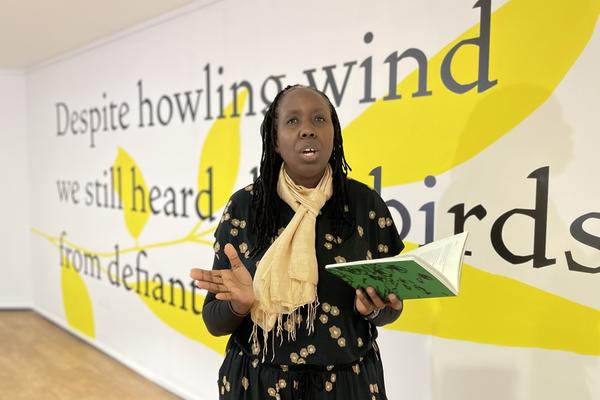
The exhibition marked the launch of an artist’s journal of poems by JC Niala entitled ‘Portal: 1918 Allotment’ which comprised poetic, photographic, and narrative documentation of her project recreating a 1918-style allotment in Oxford.
The project explored relations between the 1918/1919 (Spanish 'Flu) and COVID-19 pandemics, World War One, and the role of outdoor space and allotments within them.
In the summer of 2021, Niala developed her plot as a living archive and outdoor writing studio, and hosted visitors there for a series of work-in-progress readings and to literally ‘eat her research.
Collaborators for this project:

JC Niala
Project Lead
School of Anthropology and Museum Ethnography
JC is a doctoral researcher with an interest in how people’s imaginations of nature, affects the environment. With a focus on urban practice, she has worked on food sovereignty projects in Kenya . JC has used verbatim theatre as a tool for community engagement with both adaptation and mitigation strategies for dealing with climate change. JC's current ecological project 'Plant an orchestra' brings together her love of music & trees.

@jcniala

FIG
Partner Organisation
Based between the two sister sites of Elder Stubbs Allotment and Makespace Central, Fig works with artists, writers, designers, horticulturalists and communities to support the development of innovative new work. Fig aims to open up creative spaces where art, people, and plants meet, and engage imaginatively with the key ecological issues of our time: biodiversity loss, pollution, and climate change. Fig uses its horticultural and studio spaces to support alternative models for the arts and experimental processes like growing materials and edible architecture.
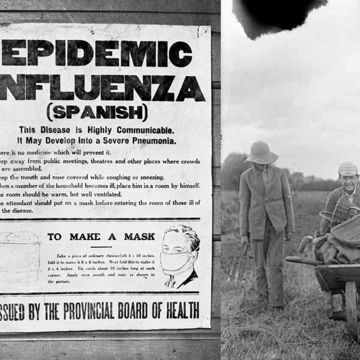
Image: Spanish Flu poster c. 1918. University of Calgary Archives and Special Collections. Right. UK schoolboys at work on an allotment allocated for wartime vegetable production on school playing fields. Horace Nicholls (1918). Imperial War Museum Q30855.
The 1918 Allotment has received the additional support of a National Lottery Project Grant